

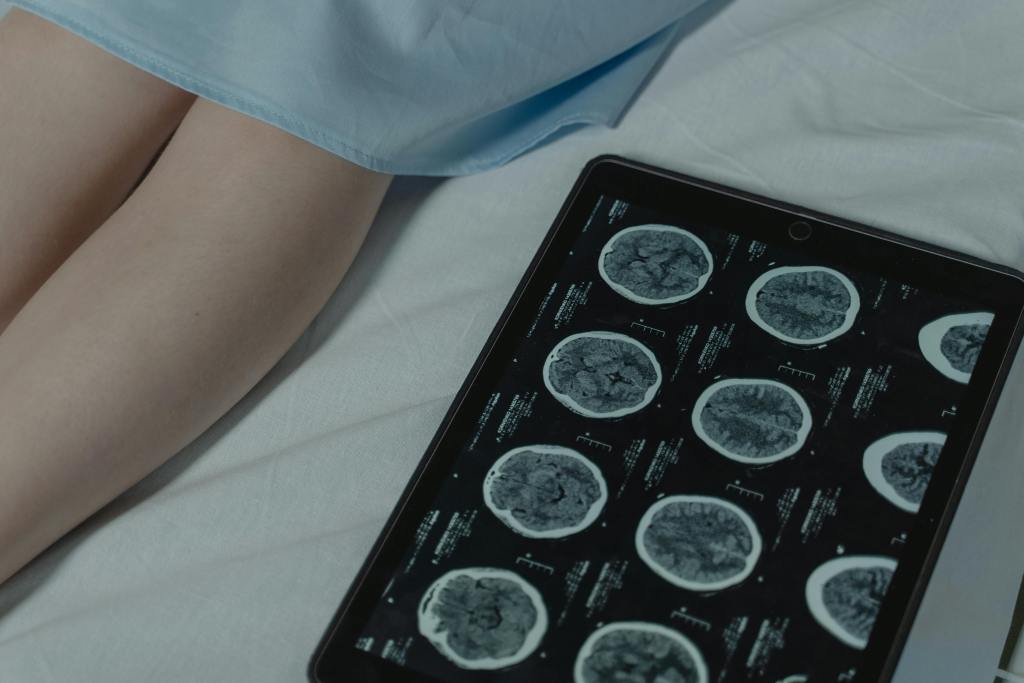
- What is Memory Loss?
Memory loss is a condition in which the brain’s ability to store, recall, or retrieve information is impaired.
A person experiencing memory loss may forget recent events, familiar names, daily tasks, or even basic skills they once knew.
Memory loss is not just simple forgetfulness — it is a warning sign that the brain may be under strain. Causes can include stress, neurological disorders, lack of sleep, poor nutrition, or serious diseases such as Alzheimer’s.
- Why is it Important to Our Health and Quality of Life?
Memory is the foundation of all mental activities — learning, working, communicating, and even forming our personality.
When memory declines, people lose independence, work efficiency, and may fall into depression or social isolation.
According to the World Health Organization (WHO), over 55 million people worldwide are currently living with dementia, and this number is expected to double by 2050.
This shows that memory loss is not just a personal issue but a global health challenge.
- Does Memory Loss Only Affect the Elderly or Anxious People?
The answer is not necessarily.
While older adults are at higher risk due to the natural degeneration of brain cells, younger people can also experience temporary memory loss caused by prolonged stress, lack of sleep, overuse of phones, poor diet, or work overload.
Moreover, anxiety and depression can reduce the activity of the hippocampus — the brain’s memory center — making it harder to store information.
Therefore, memory loss can affect people of all ages. It depends largely on how we live and take care of our brains every day.
- How Can We Improve and Restore Memory?
Scientists have proven that the brain has the ability to recover and rebuild neural connections — a phenomenon known as neuroplasticity — when properly trained.
Some effective ways include:
- Keep your brain active: Read books, learn a new language, play musical instruments, or try mental games like Sudoku.
- Eat a healthy diet: Include foods rich in omega-3 (like salmon and walnuts), B vitamins, leafy greens, and antioxidant-rich fruits.
- Get enough sleep: Sleep helps consolidate short-term memories into long-term ones.
-Exercise regularly: Physical activity boosts blood circulation and promotes the release of brain-friendly hormones.
-Manage stress through meditation and deep breathing: These help balance the nervous system and improve focus.
- Limit overreliance on technology: Don’t let your brain become “lazy” by depending too much on phones or computers.
- Conclusion
Memory is the “information bank” of each person’s life. Once it’s lost, we lose not only knowledge but also our memories and identity.
Memory loss is not an inevitable part of aging — it’s often the result of neglecting brain health.
So, let’s start protecting our memory today: eat wisely, live positively, exercise regularly, and take care of our mental well-being.
A healthy memory is the foundation of a happy, independent, and fulfilling life.