What’s Causing Your Alveolar Bone Pain and Swelling?

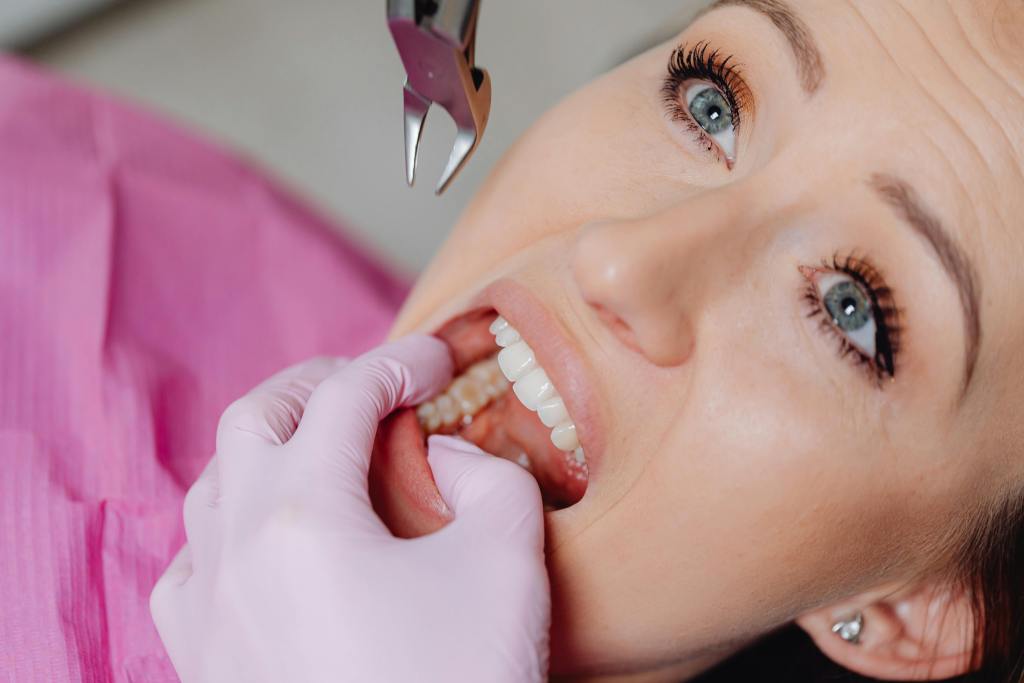
Swelling and pain in the alveolar bone are often linked to infections or abscesses in Western medicine, while traditional medicine sees them as signs of internal imbalance—heat, stagnation, or deficiency. What happens when these perspectives meet?

This condition is typically classified into the following syndromes:

  1. Stomach Fire (胃火上炎)
    Cause: Overeating spicy, greasy, or sweet foods; emotional stress
    Symptoms: Red, swollen, bleeding gums, toothache, bad breath, dry mouth, constipation
    Pulse/Tongue: Rapid pulse, red tongue with yellow coating
  1. Wind-Heat Invasion (风热侵袭)
    Cause: External pathogens invading the body
    Symptoms: Sudden onset of gum pain, fever, sore throat, headache, sensitivity
    Pulse/Tongue: Floating and rapid pulse, red tongue with thin yellow coating
  1. Kidney Yin Deficiency with Empty Heat (肾阴虚火上炎)
    Cause: Chronic illness, aging, overwork
    Symptoms: Loose teeth, dull gum pain, night sweats, dry mouth, tinnitus, sore back/knees
    Pulse/Tongue: Thin and rapid pulse, red tongue with little or no coating
  1. Qi and Blood Stagnation (气血瘀阻)
    Cause: Local trauma, poor circulation
    Symptoms: Fixed pain, swelling, dark discoloration, worsens at night

Acupuncture helps regulate qi and blood, clear heat, and reduce swelling.
LI4 (Hegu) – Clears heat, reduces inflammation, analgesic
ST6 (Jiache) – Local point for jaw and teeth pain
ST7 (Xiaguan) – Jaw pain and disorders
ST44 (Neiting) – Clears stomach fire
KD3 (Taixi) – Tonifies Kidney Yin
GV14 (Dazhui) – Clears heat
LI11 (Quchi) – Clears heat, detoxifies
SP6 (Sanyinjiao) – Nourishes Yin, regulates blood

Electroacupuncture may also be applied locally to enhance anti-inflammatory effects.

Foods and Habits That Worsen the Condition:
Spicy, fried, or greasy foods
Excess sugar and alcohol
Overeating late at night
Smoking and chronic stress
Poor oral hygiene
Dry, crunchy snacks that irritate inflamed areas
These contribute to Stomach Heat, Kidney Deficiency, and Qi stagnation, all of which impair the gums and alveolar bone.

Good Habits and Dietary Recommendations for Healing
Brush and floss teeth twice daily
Use saltwater rinse or TCM herbal mouth rinses (e.g., Lonicera or Chrysanthemum tea)
Stay hydrated
Avoid smoking and alcohol
Get adequate sleep to nourish Kidney Yin
Practice stress-reducing exercises (e.g., tai chi, qigong)

Sincere thanks to the sources from Google, Pexels, and Pixabay.”
1/Website specialized in website creation: https://theacuelanclinic.com/website-builder/
2/Channel specializing in education and startups: : https://www.youtube.com/@ThePresentWriter
3/ Channel dedicated to helping people in need: https://www.youtube.com/c/C%C3%9A%C4%90%E1%BA%A4MTH%C3%89PTV
4/Channel has many beautiful images: https://www.youtube.com/@SangVlog9
5/ Channel about Buddhism: https://www.youtube.com/watch?v=JSyQjxmrQeM&list=PLyzPM-oZ65rEw5goZctT8XKA_oxodtN_O
6/ Quality entertainment: https://www.youtube.com/@thuynga
7/Channel about cuisine: https://www.youtube.com/c/Di%E1%BB%85mNauy
8/ Entertainment and fun channel:https://www.youtube.com/@TRANTHANHTOWN

NTN-06/27/2025

Table Manners – Eat and Drink with Grace!

pexels-naomi-shi-374023-1001914

You don’t have to wait for a special event to learn how to eat and drink gracefully.

At tea parties, celebrations, or weddings, many people often worry about how to properly hold a cup, glass, bowl, chopsticks, or spoon – or even how to sit in a polite and elegant way.
Polished and elegant dining habits should start today – so when the time comes, you’ll always feel confident and charming!

How to hold a hot cup of tea or hot coffee delicately – avoid getting burned

https://www.wikihow.vn/C%E1%BA%A7m-c%E1%BB%91c-c%C3%B3-quai

How to hold a glass politely – avoid shaking it


Distinct Roles of BL 52 (Zhìshì) and BL 53 (Bāohuáng) on the Bladder Meridian

In Traditional Chinese Medicine (TCM), the acupuncture points BL 52 (Zhìshì) and BL 53 (Bāohuáng) are both located on the Bladder meridian of the Foot Taiyang, but they belong to different branches of the meridian and serve distinct functions. The noticeable distance between BL 52 and BL 53 is intentional and based on TCM meridian theory and anatomical landmarks.

Why the Distance Exists:

Different Segmental Levels: BL 52 is aligned with the lumbar spine (L2), while BL 53 is aligned with the sacral region (S2). This corresponds to different zang-fu organ influences and nerve innervation zones.

Separate Functions: BL 52 is related to Kidney essence (Jing) and often used for tonifying the Kidneys, strengthening the will, and nourishing essence.

BL 53 targets the lower jiao, helping with issues like urination, defecation, and pelvic disorders.

Two Bladder Lines: The Bladder meridian splits into two parallel lines on the back:

  • Inner line (1.5 cun from midline) – includes points like BL 23 (Kidney back-shu).
  • Outer line (3 cun from midline) – includes points like BL 52.
  • BL 52 is on the outer line, whereas BL 53 resumes the inner line, but at a different vertebral level.

Anatomical Adaptation:

The spacing also reflects anatomical reality — the back has broad muscular and bony terrain, and points are placed in ways that match both clinical effect and safe needling practices.

The distance between BL 52 and BL 53 is not a mistake or inconsistency, but a result of:

  • Their alignment with different vertebral levels,
  • Their positions on different Bladder meridian branches,
  • Their roles in treating different functional and anatomical areas.

Sincere thanks to the sources from Google, Pexels, and Pixabay.

1/Website specialized in website creation: https://theacuelanclinic.com/website-builder/

2/Channel specializing in education and startups: https://www.youtube.com/@ThePresentWriter

3/ Channel dedicated to helping people in need: https://www.youtube.com/c/C%C3%9A%C4%90%E1%BA%A4MTH%C3%89PTV

4/ Channel has many beautiful images: https://www.youtube.com/@SangVlog9

5/ Channel about Buddhism: https://www.youtube.com/watch?v=JSyQjxmrQeM&list=PLyzPM-oZ65rEw5goZctT8XKA_oxodtN_O

6/ Quality entertainment: https://www.youtube.com/@thuynga

7/ Channel about cuisine: https://www.youtube.com/c/Di%E1%BB%85mNauy

8/ Entertainment and fun channel: https://www.youtube.com/@TRANTHANHTOWN

NTN-06/20/2025

General Cautions about Needle Depth and Angle Matter

This article offers a brief yet important note for those who use acupuncture needles while treating patients. For comprehensive needling guidelines, please consult an authoritative source such as Deadman’s Manual of Acupuncture

  • Needling Depth & Angle Matter: Always consider anatomical structures—e.g., lungs, major blood vessels, or organs.
  • Avoidance Zones: Avoid needling over arteries, large veins, eyes, nipples, umbilicus, and areas with skin infections or ulcers.
  • Pregnancy Warning Points: Certain points (e.g., LI4, SP6, BL60, BL67) may stimulate uterine contractions and should be used cautiously or avoided in pregnancy.

Lung Channel (LU)

  • LU1 (Zhongfu): No deep perpendicular needling – risk of pneumothorax.
  • LU2: Risk of pneumothorax – avoid deep needling.

Large Intestine Channel (LI)

  • LI1 – LI20
  • LI4 (Hegu): Contraindicated in pregnancy – may induce labor.

Stomach Channel (ST)

  • ST1 – ST45
  • ST1, ST2: Near the eye – use caution, shallow needling only.
  • ST9 (Renying): Over carotid artery – avoid vigorous needling.
  • ST17: Do NOT needle – located on the nipple.
  • ST25: Over intestines – use caution with depth in thin patients.
  • ST42: Dorsal foot artery passes nearby.

Spleen Channel (SP)

  • SP1 – SP21
  • SP6 (Sanyinjiao): Contraindicated in pregnancy – strongly affects uterus.
  • SP11 – SP12: Near femoral artery and nerve – caution with depth.

Heart Channel (HT)

  • HT1 – HT9
  • HT1: Deep needling may puncture axillary artery or lung.

Small Intestine Channel (SI)

  • SI1 – SI19
  • SI8: Near ulnar nerve – caution needed.

Bladder Channel (BL)

  • BL1 – BL67
  • BL1: Very close to eye – specialized needling required.
  • BL11–BL21: Risk of pneumothorax – all located near thoracic spine.
  • BL22–BL34: Over kidneys or sacral foramina – angle needle properly.
  • BL40: Tibial nerve and popliteal artery run deep – avoid deep perpendicular needling.
  • BL60: Contraindicated in pregnancy.
  • BL67: May be used to induce labor – caution in pregnancy.

Kidney Channel (KI)

  • KI1 – KI27
  • KI11 – KI13: Close to bladder – avoid deep needling.
  • KI21: Risk of peritoneal cavity puncture.
  • KI22 – KI27: Risk of pneumothorax – on chest wall.

Pericardium Channel (PC)

  • PC1 – PC9
  • PC1: Close to lung – risk of pneumothorax.

San Jiao Channel (SJ/TE)

  • SJ1 – SJ23
  • SJ17–SJ23: Near facial nerves and vessels – use caution.

Gall Bladder Channel (GB)

  • GB1 – GB44
  • GB21 (Jianjing): Major caution – risk of pneumothorax, especially in thin patients or if deeply needled.
  • GB20: Close to brainstem – needle obliquely and avoid deep insertion.
  • GB30: Deep point near sciatic nerve – insert carefully.

Liver Channel (LV)

  • LV1 – LV14
  • LV5: Close to great saphenous vein.
  • LV13 – LV14: Over liver and spleen area – caution with depth.

Ren (Conception Vessel)

  • Ren1 – Ren24
  • Ren5–Ren7: Avoid during pregnancy unless specifically indicated.
  • Ren8: Do not needle – moxa or massage only.
  • Ren14–Ren15: Risk of injury to heart or liver in thin patients – shallow insertion.

Du (Governing Vessel)

  • DU1 – DU28
  • DU15 – DU16: Near medulla – avoid deep needling.
  • DU21 – DU22: Do not needle in infants – fontanel not fully closed.


Acupuncture depth and angle are critical components of effective and safe treatment.

Safety: Avoiding Injury

  • Vital organs, blood vessels, and nerves lie beneath the skin. Incorrect depth or angle can cause serious complications like:
  • Pneumothorax (collapsed lung) from needling too deeply into the chest area.
  • Nerve damage if a needle penetrates or irritates a nerve directly.
  • Bleeding or bruising from hitting blood vessels.

Therapeutic Effectiveness

Acupuncture works by stimulating specific tissues, such as muscles, fascia, or nerve pathways.

Correct depth ensures the needle reaches the intended tissue layer, which may vary depending on:

  • The point location
  • The desired physiological effect
  • The patient’s body type (e.g., muscular vs. thin)

Proper Qi Sensation (“De Qi”)

  • Traditional Chinese medicine emphasizes the sensation of “De Qi”—a dull ache, pressure, or spreading sensation.
  • Achieving De Qi often depends on reaching the correct tissue plane, which requires precise depth and angle.
  • Shallow needling might miss this, while too deep might cause discomfort or pain.

Anatomical Variability

  • Depth and angle are adjusted based on:
  • Region of the body (e.g., scalp vs. thigh vs. abdomen)
  • Individual anatomy (fat, muscle mass, age)
  • Position of the patient (lying down vs. seated)

For example, acupuncture at LI4 (Hegu) is angled obliquely away from the bone to avoid discomfort and target the correct tissue.

Needle Technique and Treatment Goal

  • Sometimes shallow needling is used for surface-level conditions like skin issues.
  • Deeper insertion might be needed for muscular or joint pain.
  • The angle also helps direct stimulation, such as following the meridian line or dispersing stagnation.
  • Proper depth and angle are essential in acupuncture for:

Ensuring safety

  • Targeting the right tissues
  • Maximizing therapeutic effects
  • Avoiding complications
  • Respecting anatomical and individual differences

A trained acupuncturist will assess all of these factors to tailor treatment precisely to the patient’s needs.

This is a video of Special Needling Techniques:

Sincere thanks to the sources from Google, Pexels, and Pixabay.”
1/Website specialized in website creation: https://theacuelanclinic.com/website-builder/
2/ Channel specializing in education and startups: https://www.youtube.com/@ThePresentWriter
3/ Channel dedicated to helping people in need: https://www.youtube.com/c/C%C3%9A%C4%90%E1%BA%A4MTH%C3%89PTV
4/Channel has many beautiful images: https://www.youtube.com/@SangVlog9
5/ Channel about Buddhism: https://www.youtube.com/watch?v=JSyQjxmrQeM&list=PLyzPM-oZ65rEw5goZctT8XKA_oxodtN_O
6/ Quality entertainment: https://www.youtube.com/@thuynga
7/Channel about cuisine: https://www.youtube.com/c/Di%E1%BB%85mNauy
8/ Entertainment and fun channel: https://www.youtube.com/@TRANTHANHTOWN

NTN-06/20/2025

“Unbind The Chest” According to TCM Explanation

pexels-freestocks-128597

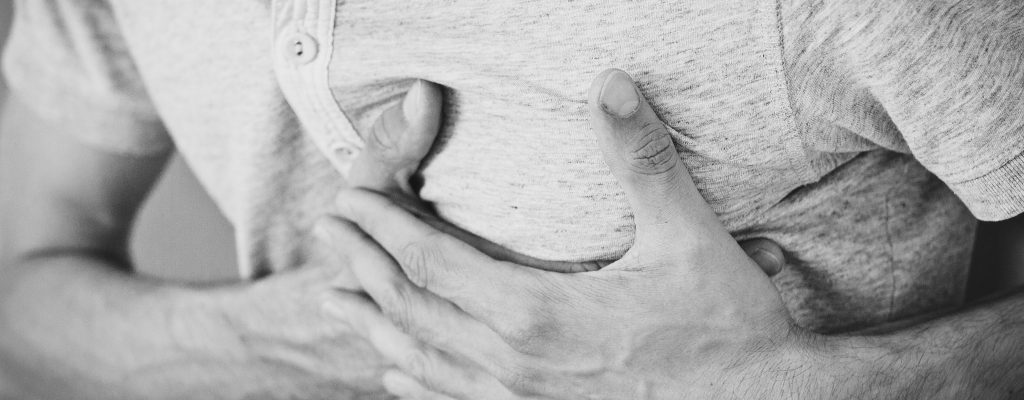
In Traditional Chinese Medicine (TCM), the phrase “unbind the chest” refers to releasing or relieving stagnation and obstruction in the chest area, typically to improve qi (energy) and blood circulation, ease breathing, and reduce emotional or physical discomfort felt in the chest.

When is “unbind the chest” used?

This term is often used in the context of treating:

  • Qi stagnation in the chest, which can result in symptoms like chest tightness, fullness, discomfort, or pain.
  • Lung or Heart-related disorders, such as cough, asthma, palpitations, or anxiety.
  • Emotional disorders, especially involving Liver Qi stagnation that affects the chest.
  • Phlegm accumulation or turbid dampness in the chest, leading to congestion.

Clinical manifestations might include:

  • A feeling of oppression or fullness in the chest
  • Difficulty breathing
  • Emotional tension, such as anxiety, irritability, or sadness
  • Pain or discomfort in the chest area
  • Cough with phlegm

Common TCM strategies to “unbind the chest”:

  • Tui Na massage or cupping: Focused on the chest and upper back to release stagnation.
  • Qigong or breathing exercises: To regulate emotional and physical Qi flow.

“Unbind the chest” in TCM refers to releasing blockages in the chest to restore the free flow of Qi and Blood, easing both physical symptoms (like tightness or pain) and emotional tension (like stress or sadness).

Sincere thanks to the sources from Google, Pexels, and Pixabay.

1/Website specialized in website creation: https://theacuelanclinic.com/website-builder/

2/Channel specializing in education and startups: https://www.youtube.com/@ThePresentWriter

3/ Channel dedicated to helping people in need: https://www.youtube.com/c/C%C3%9A%C4%90%E1%BA%A4MTH%C3%89PTV

4/ Channel has many beautiful images: https://www.youtube.com/@SangVlog9

5/ Channel about Buddhism: https://www.youtube.com/watch?v=JSyQjxmrQeM&list=PLyzPM-oZ65rEw5goZctT8XKA_oxodtN_O

6/ Quality entertainment: https://www.youtube.com/@thuynga

7/ Channel about cuisine: https://www.youtube.com/c/Di%E1%BB%85mNauy

8/ Entertainment and fun channel: https://www.youtube.com/@TRANTHANHTOWN

NTN-06/07/2025

.

My Father!

Add a heading

Everyone has a loving dad,
But mine is truly the most divine.
His shoulders bear burdens without a word,
Alongside Mom, building a life for me.

Though we were poor, our home was warm,
He raised me strong, steady in life’s stride.
All that I have today,
Was shaped by those hands through each passing day.

A father’s love, deep as the sea,
No wealth can match his silent sacrifice.
Oh Father, do you even know?
There’s always a room in my heart… just for you.

Lyrics in Vietnamese

Cha Tôi!

Ai ai cũng có cha hiền,
Riêng tôi, cha thật thiêng liêng tuyệt vời.
Vai cha gánh nặng không lời,
Cùng mẹ vun đắp một đời vì con.

Dẫu nghèo, nhà vẫn ấm êm,
Cho tôi khôn lớn, vững thêm bước đời.
Những gì tôi có hôm nay,
Là nhờ tay ấy dựng xây tháng ngày.

Tình cha sâu tựa biển khơi,
Vàng son nào sánh một lời hy sinh.
Cha ơi, cha có biết không?
Tim con luôn giữ một phòng… dành cha.

Các món quà dành cho ngày Father có bán sẵn tại Amazon

1/ Chân máy ảnh đa năng – Victiv -NT 70 Tripod

https://amzn.to/3HhvvUC 2/

Father’s Day Shirt Apparel Collection

https://amzn.to/43w3ktX

Chân Thành Cảm Ơn Nguồn Tài Liệu Từ Google, Pexel và Pixabay

Cảm ơn Quí Vị luôn ủng hộ Kênh youtube -NTN

1/Trang chuyên về tạo website: https://theacuelanclinic.com/website-...

2/Kênh chuyên về giáo dục và khởi nghiệp : / @thepresentwriter

3/Kênh chuyên về giúp đỡ người gặp khó : / c%c3%9a%c4%90%e1%ba%a4mth%c3%89ptv

4/ Kênh có nhiều hình ảnh đẹp: / @sangvlog9

5/ Kênh chuyên về đạo Phật: • KHAI THỊ SỐ 1 – BỐN LOẠI NHÂN DUYÊN NÀY PH…

6/Chương trình giải trí có chất lượng : / @thuynga

7/Kênh chuyên về ẩm thực: / di%e1%bb%85mnauy

8/ Kênh giải trí và vui: / @tranthanhtown

NTN-06/06/2025