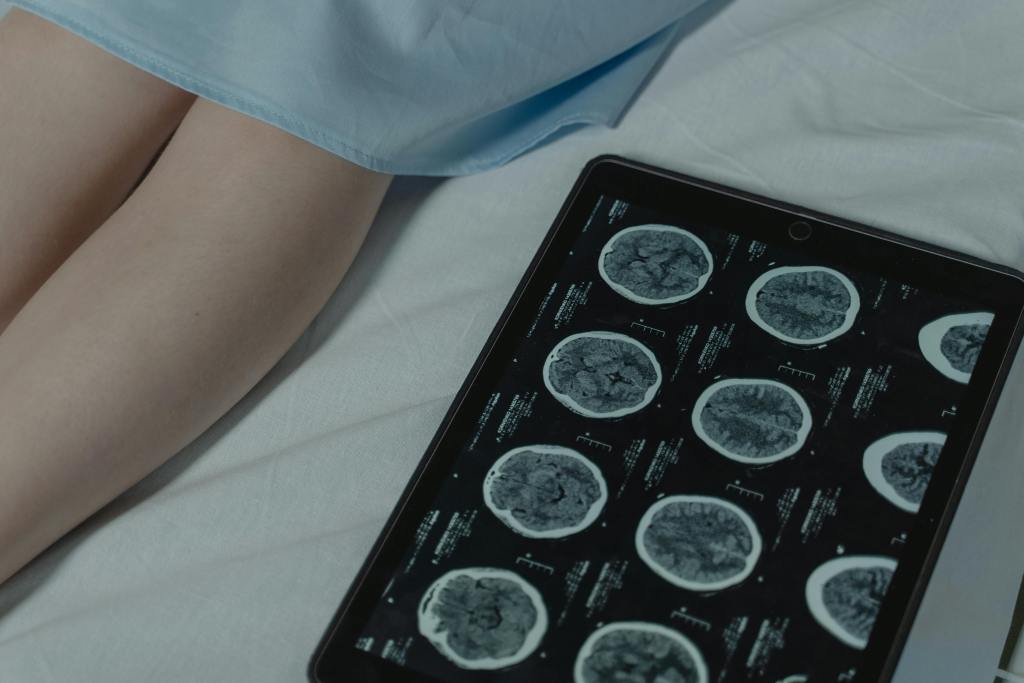
Neuroplasticity is the brain’s ability to change and adapt — by forming new neural connections — especially after injuries such as a stroke. It plays a crucial role in functional recovery following a neurological event.
*Restoration of lost functions: Thanks to neuroplasticity, healthy brain regions can learn and take over the functions of damaged areas.
*Improved mobility: It helps patients relearn skills like walking and moving their limbs.
*Recovery of speech and communication: In cases where a stroke causes speech loss, the brain can rebuild the areas responsible for language.
*Enhanced memory and cognition: Neuroplasticity supports the brain in relearning and adapting to everyday cognitive tasks.
*Reduced post-stroke depression and anxiety: Positive changes in brain structure can improve mood and motivation.
How do cashews support neuroplasticity?
Cashews contain nutrients that support brain health:
Magnesium: Improves nerve function, supports neurotransmission
Zinc: Enhances immune function and aids nerve repair
Vitamin B6: Supports the production of neurotransmitters (like serotonin and dopamine)
Unsaturated fats: Nourish brain cell membranes, help form new neural connections
Tryptophan (amino acid): Precursor to serotonin, improves mood and sleep
The foods that benefit neuroplasticity:
*. Omega-3 Fatty Acids
Sources: Salmon, sardines, mackerel, flaxseeds, chia seeds, walnuts
Benefits: DHA (a type of Omega-3) is a key component of brain cell membranes, supports neuron connectivity, and enhances learning and memory
*Polyphenol-Rich Foods (Antioxidants)
Sources: Blueberries, strawberries, purple grapes, cocoa (dark chocolate), green tea
Benefits: Reduce inflammation and oxidative stress—two factors that hinder neuroplasticity; improve blood flow to the brain.
*. Dark Leafy Greens
Sources: Spinach, kale, broccoli
Benefits: Contain vitamin K, lutein, folate, and beta-carotene—nutrients associated with cognitive health and slowing cognitive decline.
*Eggs (especially the yolk)
Source: Choline – a precursor to acetylcholine, a neurotransmitter linked to learning and memory
Benefits: Supports the formation and maintenance of synapses (neural connections).
*Dark Chocolate (at least 70% cacao)
Sources: Flavonoids, caffeine, and antioxidants
Benefits: Enhances brain blood flow, helps with focus, and improves cognitive function.
*. Nuts and Seeds
Sources: Cashews, walnuts, almonds, pumpkin seeds, sunflower seeds
Benefits: Rich in vitamin E and healthy fats – protect brain cells from oxidative stress
*Prebiotic and Probiotic-Rich Foods (for gut microbiome health)
Sources: Yogurt, kefir, kimchi, miso, green bananas, oats
Benefits: The gut–brain axis significantly affects mood and brain function, including neuroplasticity
*Turmeric (Curcumin)
Sources: Turmeric spice, turmeric extract
Benefits: Curcumin can cross the blood-brain barrier, have strong anti-inflammatory effects, and boosts the production of BDNF (Brain-Derived Neurotrophic Factor).
Paying attention to neuroplasticity after a stroke is crucial because it enables the brain to rewire itself, supporting recovery of lost functions and improving long-term outcomes through targeted rehabilitation and mental engagement.
NTN–7/15/2025. ACUP